

Sheikh Muhammad Jehangir
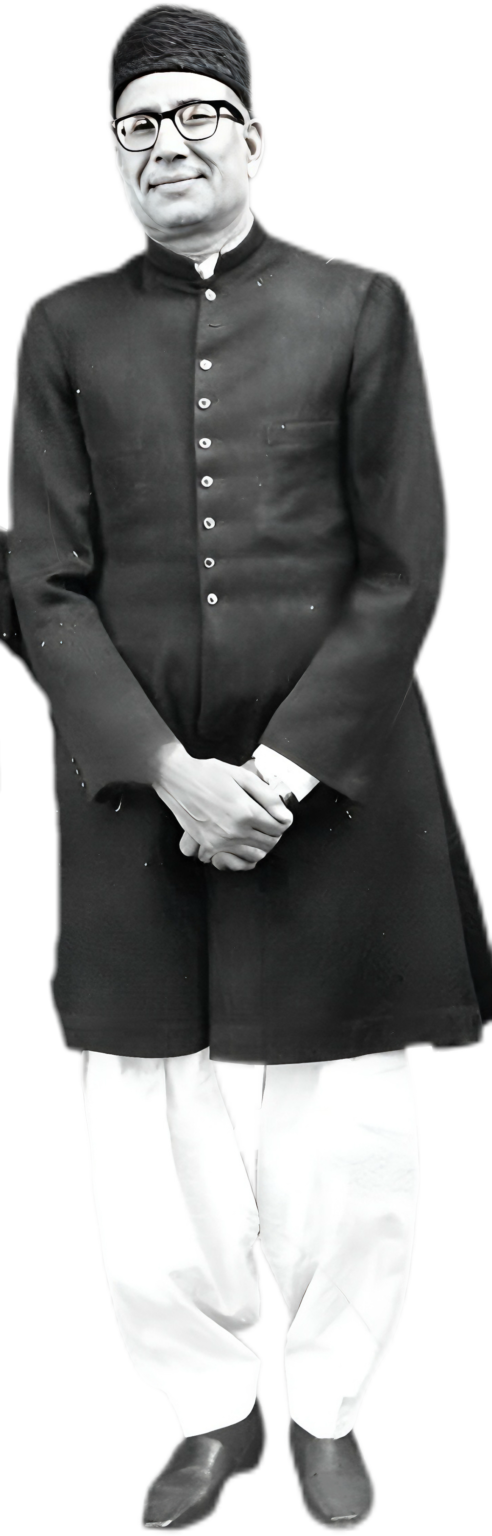
A Life of Service, Wisdom, and Integrity
Sheikh Muhammad Jehangir was born in 1914 in Kasur, a city steeped in history and culture, into a family of wealth and nobility. His father, Sheikh Rahim Bukhsh, was a prominent businessman and a respected political figure in the region from 1875 to 1930. In those years, the political climate of pre-partition India was marked by significant transformations. The rise of nationalist movements, coupled with the struggle for independence from British colonial rule, defined much of the socio-political atmosphere. Sheikh Rahim Bukhsh was a man of vision who actively participated in these movements, gaining widespread respect. His death in 1934 marked the end of an era, but it was also the beginning of Sheikh Muhammad Jehangir’s journey as the eldest son, tasked with guiding his family through both personal and societal challenges.
Early Life and Education
Sheikh Muhammad Jehangir faced a starkly different reality compared to the prosperity of his father’s era. By the time he graduated in 1935, the family business had suffered significant losses, forcing him to step into a role of responsibility early in life. His initial career choice was as a teacher at Islamia Hanfia School, where he began to mould young minds. This profession not only allowed him to earn a living but also ignited a lifelong passion for education.
His thirst for knowledge was insatiable. In 1943, he completed his first Master’s degree in Arabic, followed by a second in Persian in 1946. These academic achievements were remarkable given the financial and emotional burdens he bore. Through it all, he prioritised his family, ensuring their well-being even as he pursued his dreams.
Personal Life and Tragedy
In 1939, Sheikh Muhammad Jehangir married Zubaida Khanum, but tragedy struck when she and their child passed away during childbirth. This devastating loss could have broken the spirit of a lesser man, but Sheikh Jehangir’s resilience shone through. In 1941, he married again and was blessed with four sons: Javaid Mehmood Sheikh, Irfan Masood Sheikh, Basit Jehangir Sheikh, and Shahid Rahim Sheikh. His family became a cornerstone of his life, motivating him to work tirelessly for their future.
The partition of India in 1947 brought with it immense upheaval. As millions of people migrated across borders amidst violence and chaos, Sheikh Muhammad Jehangir adopted a child from the camps for orphaned children, whom he named Bashir Iqbal. This act of compassion reflected his deeply ingrained sense of responsibility and humanity.
Contributions to Education and Community Development
Sheikh Muhammad Jehangir’s contributions to Kasur were multifaceted and enduring. He was instrumental in establishing the Islamia Degree College in Kasur, an institution that would go on to shape the city’s educational landscape. As the founding secretary of the college’s administrative committee, he brought his vision and dedication to the forefront. His efforts ensured that the college thrived in its early years, providing countless students with opportunities to achieve their potential.
His role in founding the District Hospital Kasur further cemented his legacy as a community leader. Recognising the need for accessible healthcare, he worked tirelessly to bring this facility into existence, ensuring better medical services for the people of Kasur.
As the secretary of Darul Uloom Hanfia Kasur since 1941, Sheikh Jehangir displayed a deep commitment to religious education. He also served as the secretary of Anjuman-e-Islamia Kasur, an organisation dedicated to social welfare and religious causes. These roles allowed him to channel his leadership skills and ethical principles into meaningful initiatives that benefited his community.
Political and Civic Engagement
Sheikh Muhammad Jehangir followed in his father’s footsteps as a politically active and socially conscious individual. He was a former member of the Municipal Committee and Improvement Trust, where he played a crucial role in urban development and infrastructure projects. His tenure was marked by meticulous planning and a genuine desire to improve the quality of life for Kasur’s residents.
He was also a driving force behind the “Anjuman Khuddam-ul-Masajid,” an organisation focused on the maintenance and development of mosques. For 35 years, he managed the organisation’s finances with unparalleled transparency and integrity. Not once was there an accusation of financial mismanagement under his stewardship, a testament to his unwavering honesty.
Sheikh Jehangir’s involvement with the Market Committee and the association for factory owners and traders further showcased his versatility and dedication. He was deeply concerned with the economic prosperity of Kasur, advocating for fair practices and ethical business standards.
A Life of Integrity
In a world where many sought wealth through dubious means, Sheikh Muhammad Jehangir remained steadfast in his principles. He never engaged in unethical business practices, even when it meant financial difficulties. His belief was simple yet profound: true wealth lies in one’s character and the legacy of good deeds. This philosophy guided his actions and decisions throughout his life.
Despite his modest financial means, Sheikh Jehangir’s life was rich in service and morality. He often said that he would rather leave behind a legacy of honesty and integrity than material wealth. His children and community inherited this invaluable legacy, which continues to inspire to this day.
Personal Traits and Health
Sheikh Muhammad Jehangir was a man of elegance and charisma. Tall and handsome, with intelligent eyes and a broad forehead, he carried himself with dignity. His disciplined lifestyle, which included abstaining from smoking and even tea, was reflected in his excellent health for most of his life. He enjoyed good food and stylish clothing, embodying a balance of simplicity and refinement.
However, in the later years of his life, Sheikh Jehangir developed heart disease, a condition that puzzled even his doctors, given his healthy habits. Despite the challenges posed by his illness, he remained composed and courageous, providing comfort and encouragement to his family during difficult times.
Final Days and Legacy
On December 16, 1973, Sheikh Muhammad Jehangir passed away following a massive heart attack. His death marked the end of an era for Kasur. The city mourned the loss of a man whose contributions had touched every aspect of its social, educational, and economic life.
Sheikh Jehangir’s legacy is evident in the institutions he helped establish and the lives he influenced. His dedication to education, healthcare, and social welfare set a standard for future generations. His honesty and integrity remain a guiding light for those who strive to live by ethical principles.